
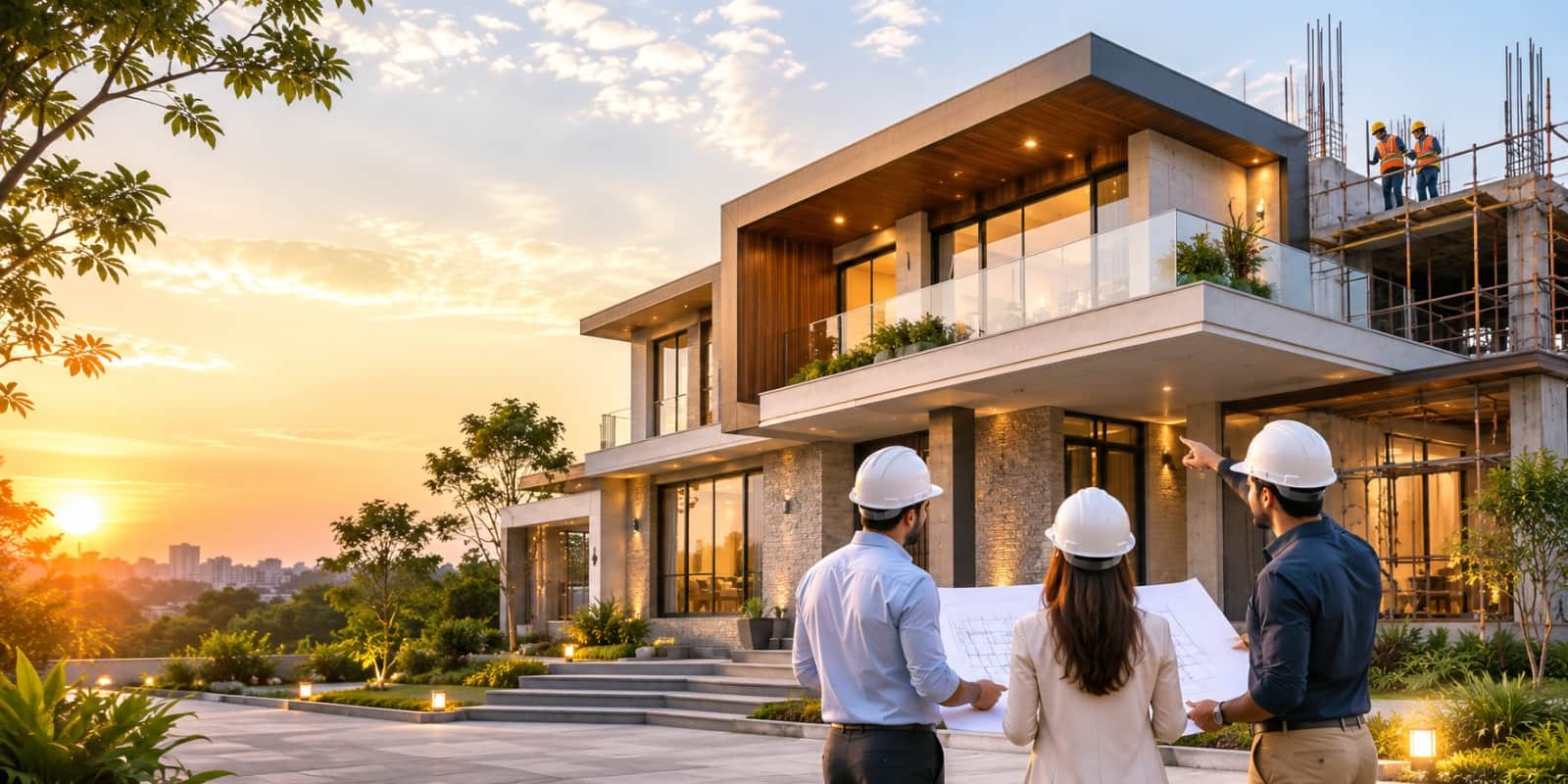
Designed for Value. Built for Life.
End-to-end construction and real estate solutions in Bangalore — crafted with purpose, executed with precision.
We don't just build homes.
We build outcomes.
Manovsis Realty India Pvt. Ltd. is a Bangalore-based construction and real estate solutions company focused on delivering complete, end-to-end building services.
With a strong foundation in design integration, execution discipline, and long-term thinking, we help clients transform vacant land, existing homes, and redevelopment opportunities into well-planned, high-value opportunities.
Our approach combines:
- Technical expertise
- Transparent processes and pricing
- Value-driven planning
So every project is not just completed — but completed right.
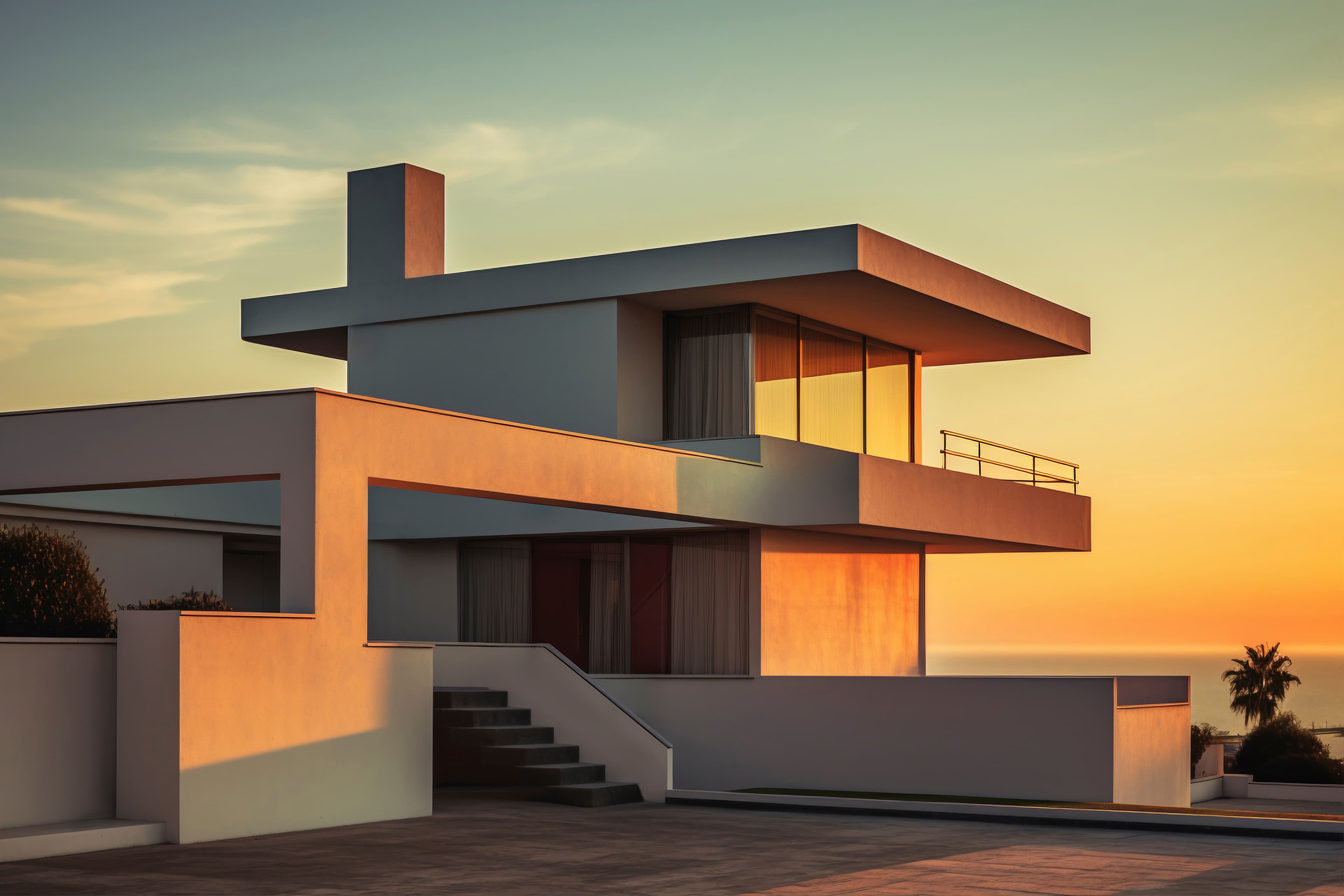
Why Clients Choose Manovsis
Built for every
scale of ambition
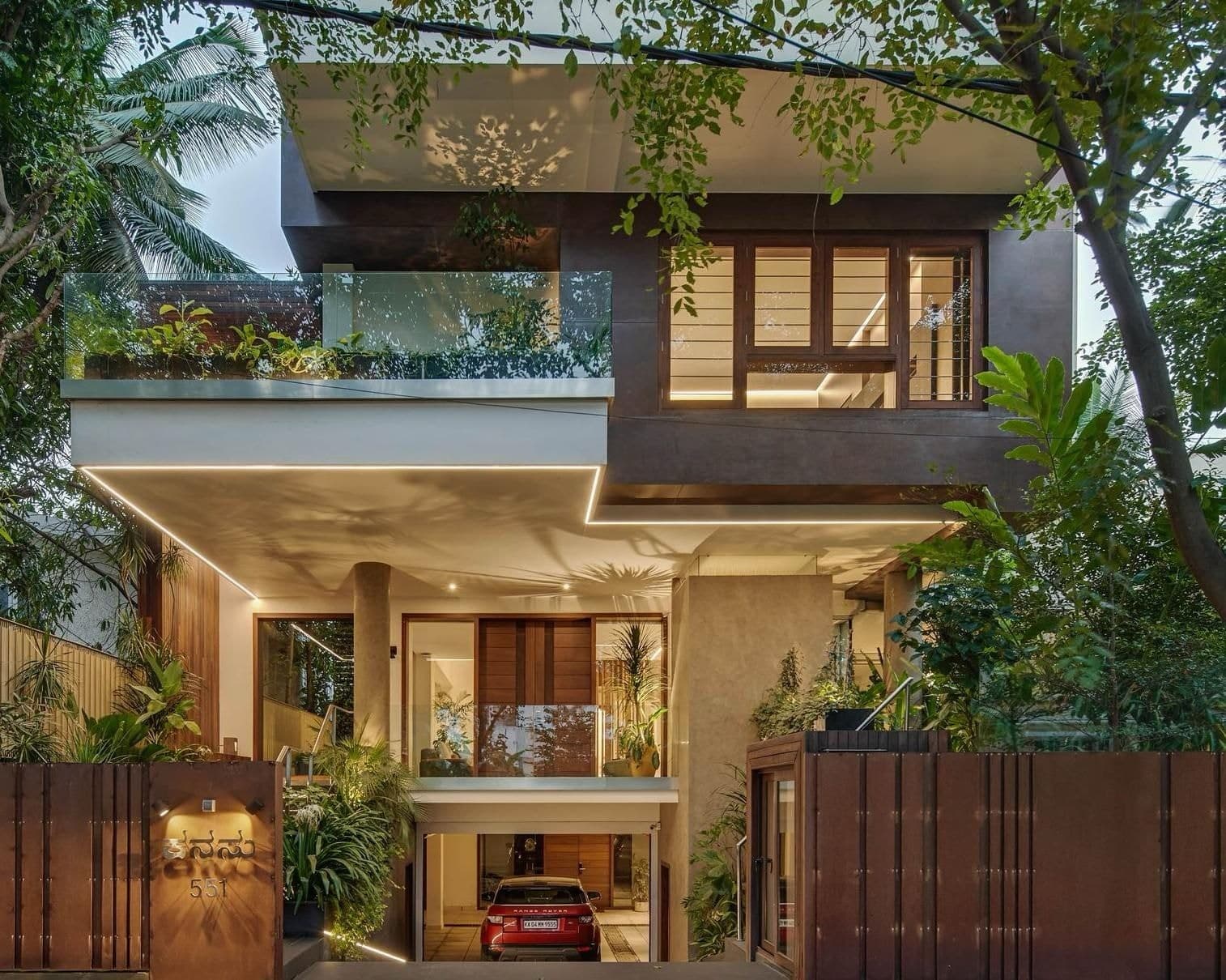
Residential Construction
We create thoughtfully planned residential spaces that combine functionality, aesthetics, and execution excellence. From design coordination to final handover, every stage is professionally managed.
- Independent homes & villas
- Duplex homes
- Apartment renovations
- Redevelopment projects
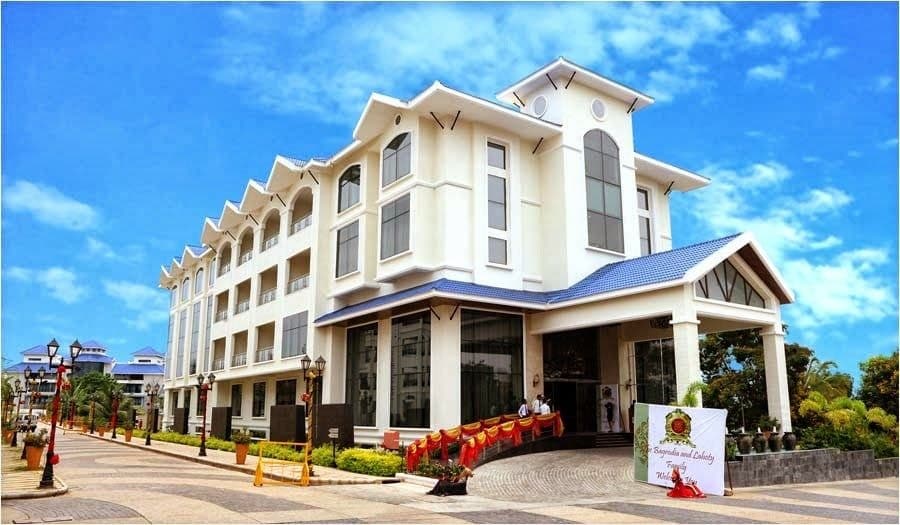
Commercial Construction
Commercial projects demand planning, efficiency, scalability, and operational thinking. We deliver structured execution with cost control and practical design solutions.
- Office buildings
- Retail & mixed-use spaces
- Commercial complexes
- Institutional projects

Land Care Services
Land ownership comes with responsibility, risk, and long-term decisions. We help property owners protect, monitor, and strategically manage their land assets with confidence.
- Property monitoring support
- Documentation guidance
- Encroachment prevention awareness
- Long-term value planning

Built on stone may not stand
its time, if not built on Value
Complete Home Package
Perficient Homes
A fully integrated solution that includes:
- Architectural Design
- Structural Engineering
- MEP Planning
- Construction Execution
- Interior-ready delivery
One team. One contract. Complete clarity.
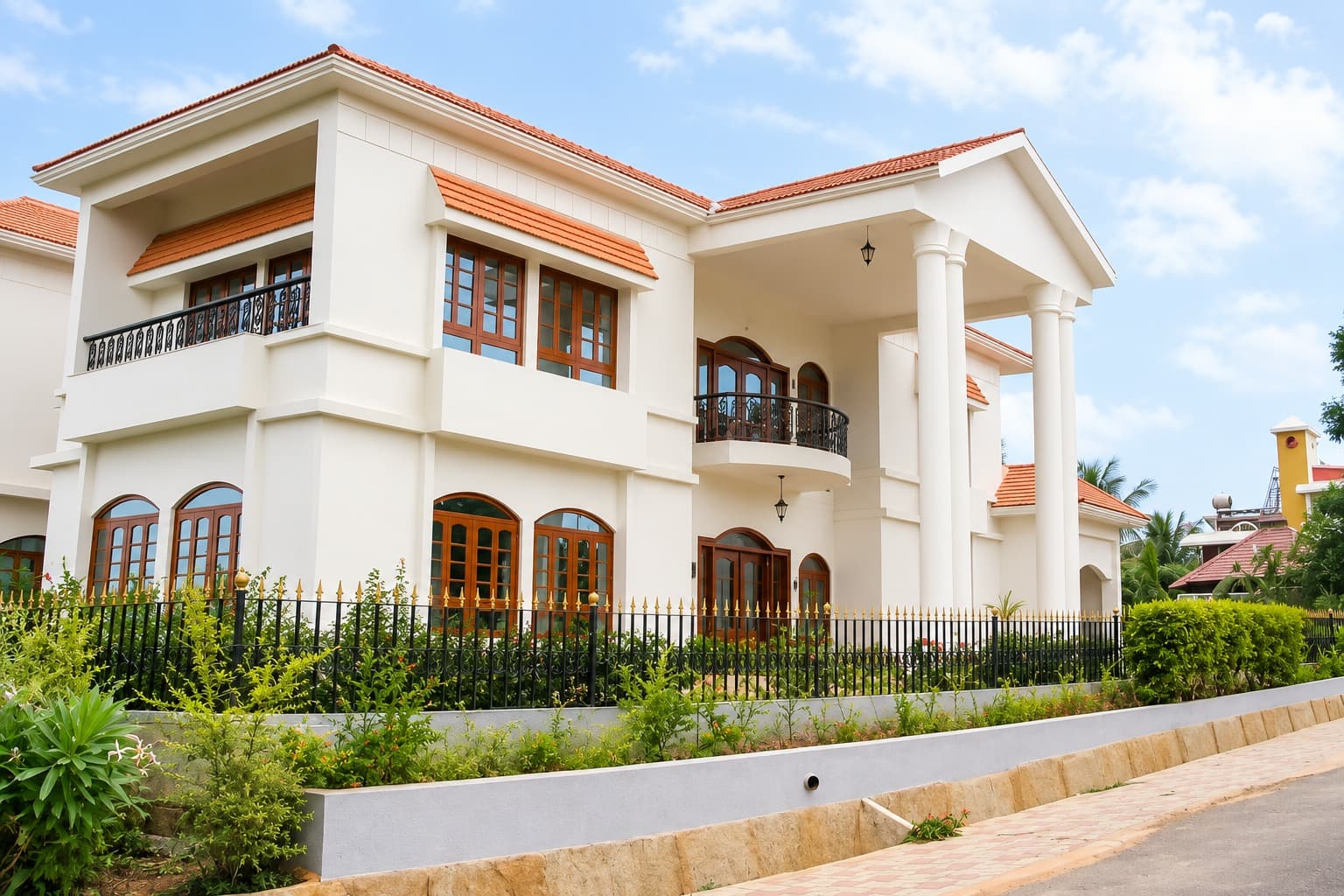
The Manovsis
6-Step Clarity
System
What our clients say

Manovsis executed the construction of our building very professionally with great communication and excellent onsite project management skills. They earned our confidence by their execution quality. We recommend them.
Umesh Bangera KadriFormer Executive Director, MSCEB, Kingdom of Bahrain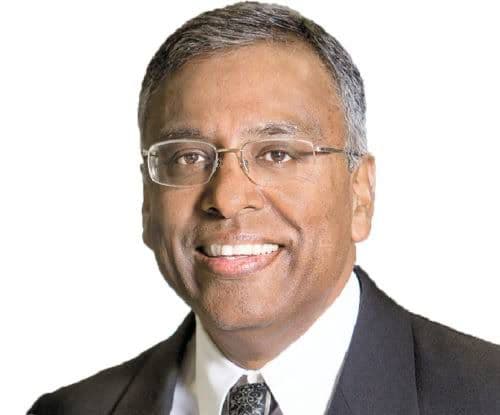
Manovsis' expertise in translating our ideas into a functional design was impressive. Their construction process is well-managed and their dedication to construction quality is exceptional. We got a home that represents our needs perfectly.
PradeepGeneral Manager, Universal Robots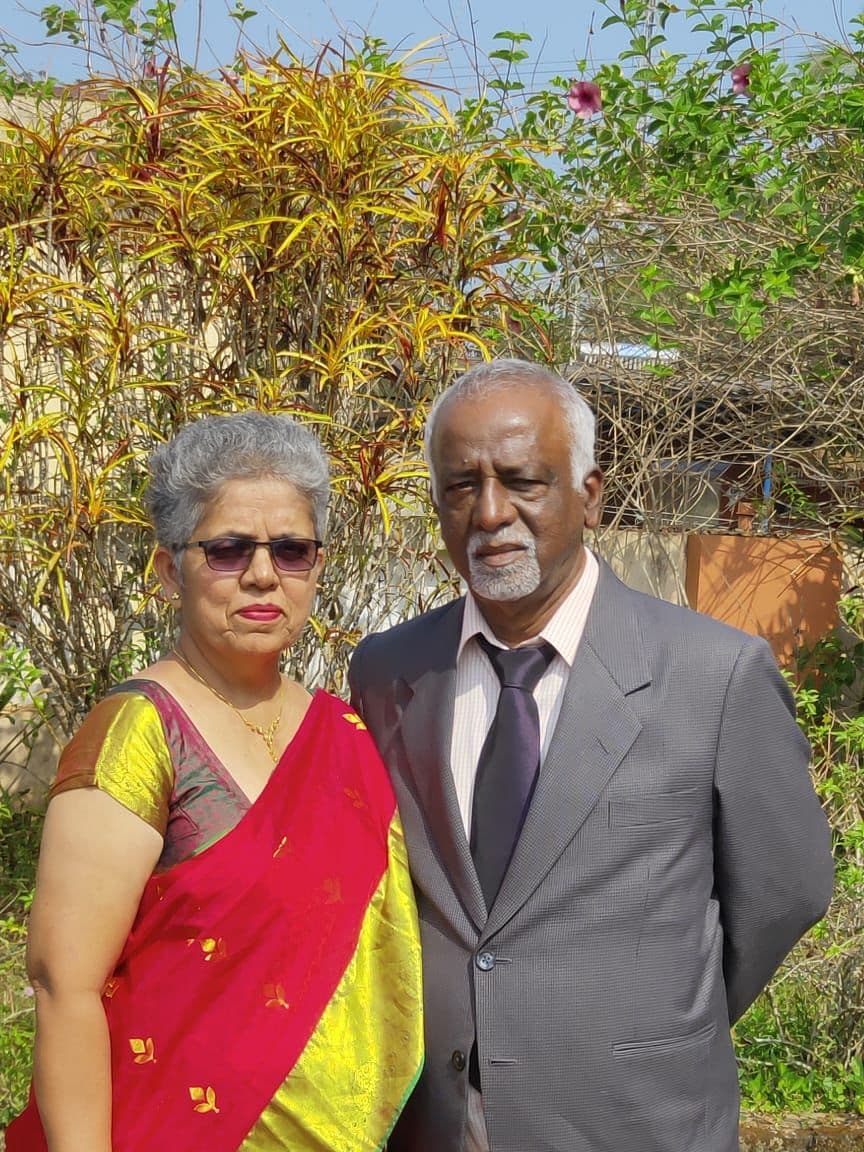
From start to finish, Manovsis team demonstrated unparalleled professionalism and attention to details. Their craftsmanship exceeded our expectation. They turned our vision into reality. Thank you for making our space beautiful.
William FernandesAFO, Polychem Resins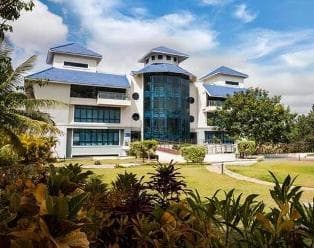
Choosing Manovsis for our hotel construction project was a game-changer. Their commitment to excellence and ability to navigate the complexities of a large-scale project were impressive. Grateful for their expertise and collaborative approach.
Clarke's GroupBangalore
We engaged Manovsis for the construction of our new corporate headquarters, and the experience was outstanding. Their team's professionalism, communication, and problem-solving abilities were top-notch.
Long Life INCBangalore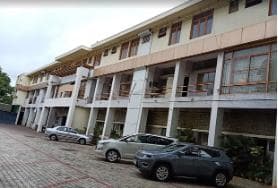
Working with Manovsis on our commercial project was an absolute pleasure. Their attention to detail, commitment to timelines, and dedication to quality construction surpassed our expectations. A go-to for future projects.
KROSSBangalore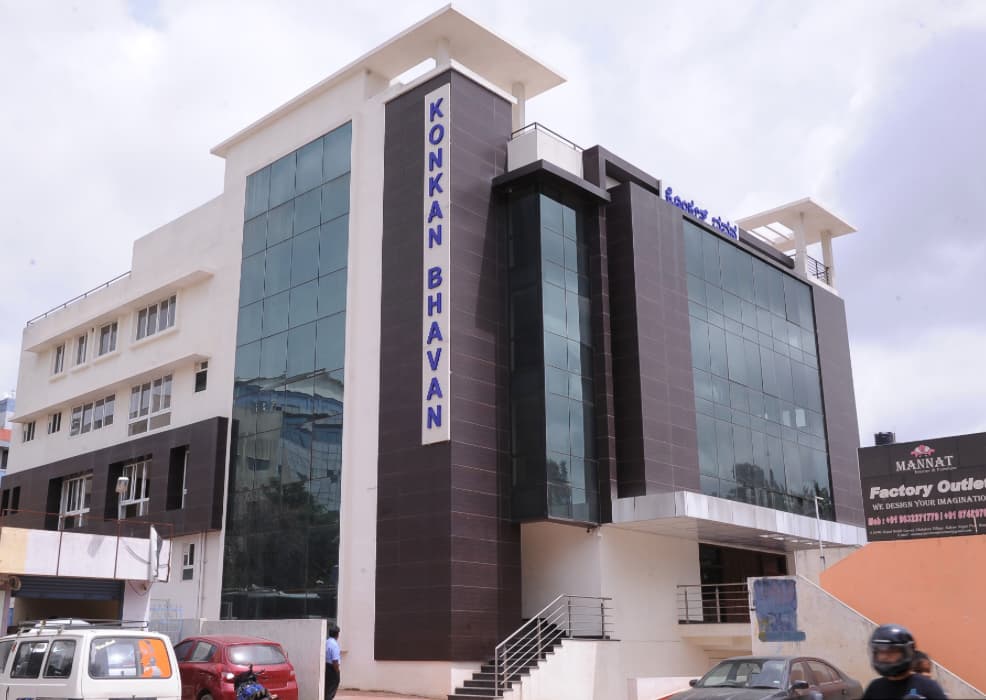
We entrusted Manovsis with the construction of our Institutional complex, and the results speak for themselves. The team's dedication to quality, adherence to safety standards, and transparent communication made the entire process seamless.
Konkan Samudai BhavanBangaloreTurn your property into
a performing asset
Many property owners hold property without a clear strategy. Manovsis helps you:
We don't just build structures —
we help create assets.
Whether your land is vacant, inherited, or held for future development — we ensure it remains secure, strategic, and valuable for decades to come.
Discuss Your Property
Experience That Thinks
Beyond Construction
Manovsis is backed by over 25 years of experience in various aspects of construction — spanning consulting, planning, and execution disciplines.
This foundation brings a unique perspective to every project:
Every project is approached with both technical precision and strategic intent.
From our knowledge base
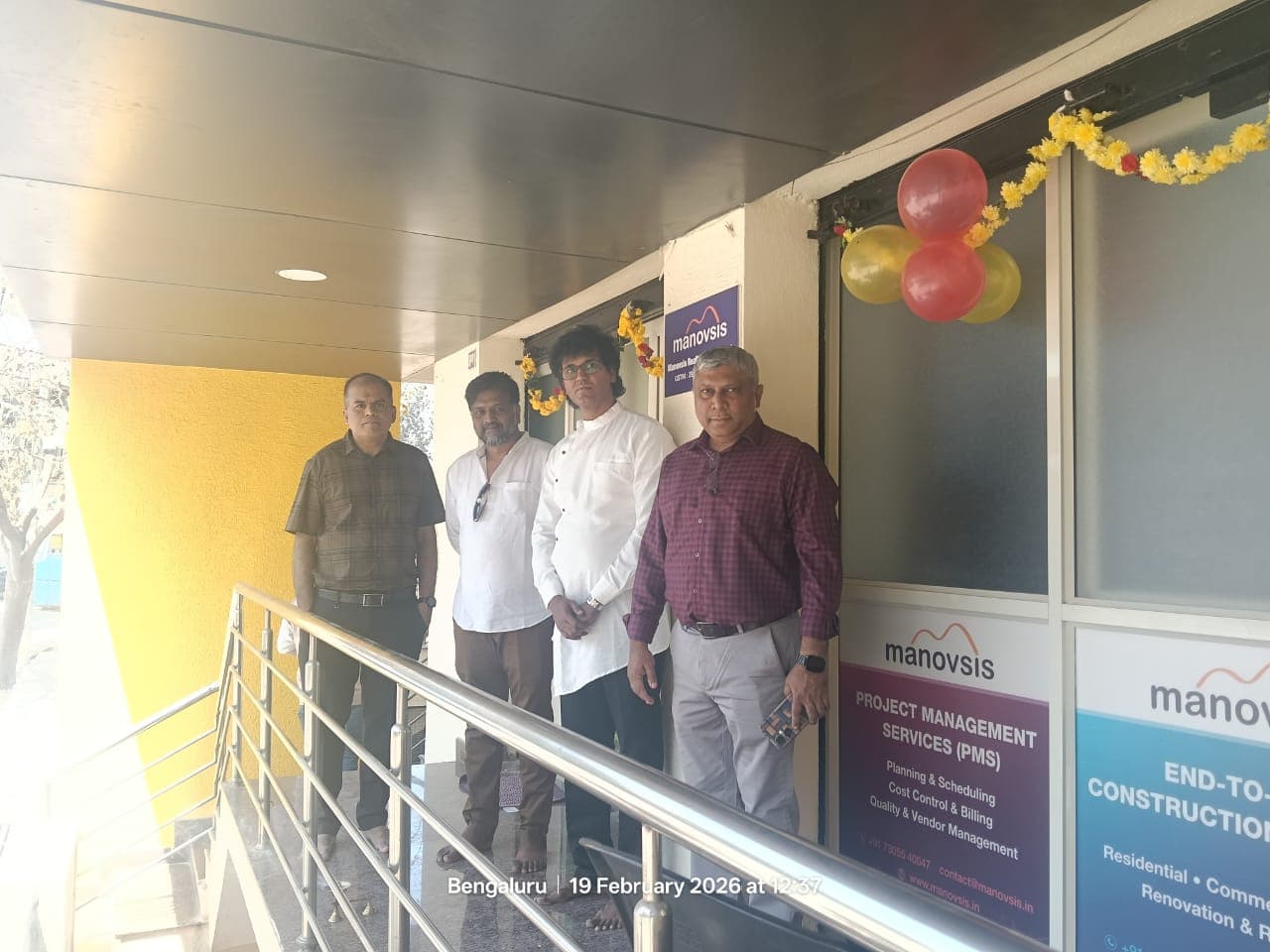

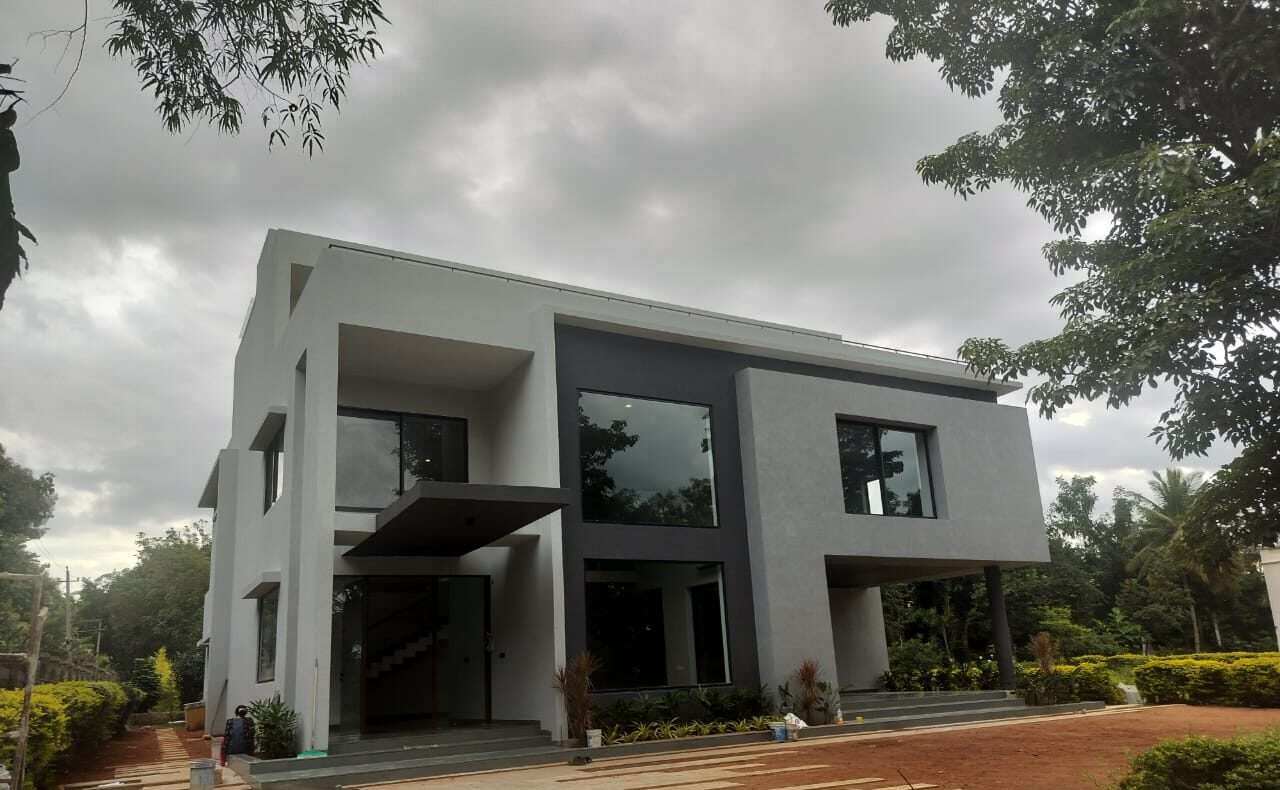
The People Behind Manovsis
Driven by values, a team with a high level of integrity, dedication, professionalism, and commitment — with a strong desire to execute and excel.


